
Industrial IoT (IIoT) represents a significant evolution in industrial operations through the integration of smart technology. This approach enables machines to collect and exchange data in real-time, fostering enhanced operational efficiency. As industries adopt IIoT, they encounter various applications and benefits that can transform traditional processes. However, the journey is not without its challenges. Understanding these complexities is essential for any organization considering IIoT implementation. What factors should be prioritized for successful integration?
Understanding Industrial IoT
How does Industrial Internet of Things (IIoT) redefine traditional manufacturing processes?
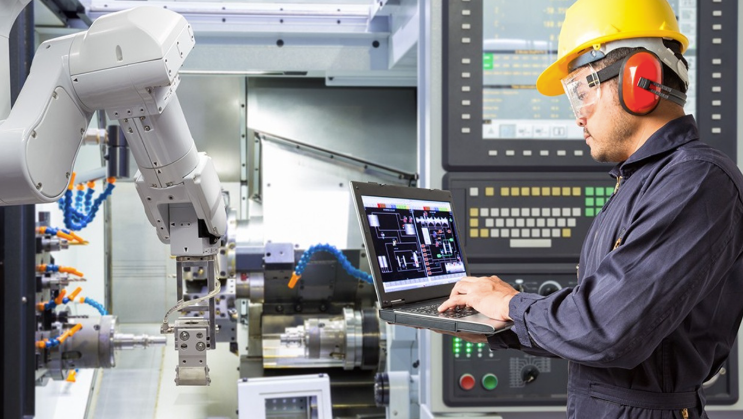
By integrating smart sensors into machinery, IIoT facilitates real-time data collection and monitoring. This data is analyzed using advanced data analytics, allowing manufacturers to optimize operations, enhance productivity, and minimize downtime.
Consequently, IIoT empowers industries to achieve greater efficiency and adaptability, fostering a more liberated approach to production and resource management.
Key Applications Across Industries
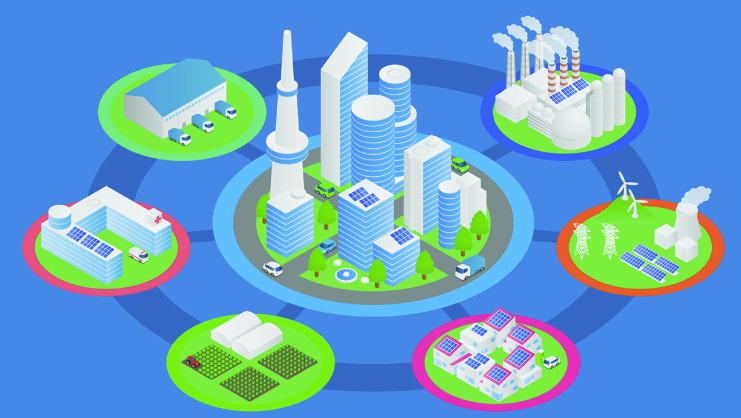
The impact of the Industrial Internet of Things (IIoT) extends across various sectors, transforming operations through enhanced connectivity and data utilization.
Key applications include predictive maintenance, which minimizes downtime by forecasting equipment failures, and optimizing supply chain processes, enhancing inventory management and logistics.
These applications enable organizations to achieve higher efficiency, reduce costs, and improve overall operational effectiveness in their respective industries.
See also: talent-turf
Benefits of Implementing IIoT
While organizations may initially face challenges in adopting the Industrial Internet of Things (IIoT), the long-term benefits far outweigh these obstacles.
Implementing IIoT fosters cost savings through optimized resource allocation, improved efficiency via automated processes, and enhanced safety by monitoring hazardous conditions.
Additionally, predictive maintenance driven by data analytics and real-time monitoring minimizes downtime, creating a more resilient and responsive operational environment.
Challenges and Considerations in IIoT Integration
As organizations seek to integrate the Industrial Internet of Things (IIoT) into their operations, they encounter a range of challenges that necessitate careful consideration.
Security concerns arise from increased connectivity, while data interoperability issues complicate communication between devices.
Additionally, integration complexity can hinder seamless deployment, and scalability issues may limit future growth, demanding strategic planning and investment to realize the full potential of IIoT.
Conclusion
In summation, the Industrial IoT stands as a beacon of transformative potential, ushering in a new era of operational excellence. While it presents a landscape replete with opportunities for enhanced efficiency and innovation, stakeholders must navigate the nuanced labyrinth of security and interoperability challenges. Embracing IIoT not only signifies a leap toward modernization but also entails a delicate balancing act, ensuring that the benefits are reaped without compromising the integrity of established systems.


 By
By