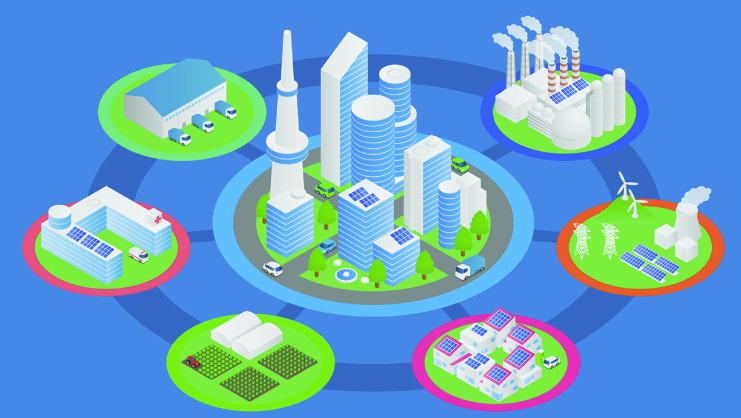

The advent of 5G technology is set to transform various industries by enhancing operational capabilities and fostering innovation. In healthcare, real-time monitoring and telemedicine could revolutionize patient care. The transportation sector may witness significant advancements in autonomous vehicles and smart logistics. Meanwhile, entertainment and manufacturing stand to gain from improved efficiency and immersive experiences. As these sectors evolve, the implications of 5G will become increasingly evident, raising questions about future developments.
Healthcare
As the healthcare sector increasingly embraces technological advancements, the integration of 5G networks promises to revolutionize patient care and operational efficiency.
Enhanced remote patient monitoring capabilities will facilitate real-time data transmission, empowering healthcare providers with timely insights.
Moreover, telemedicine advancements will become more robust, allowing for seamless virtual consultations and improved access to specialized care, ultimately fostering greater patient autonomy and freedom in healthcare choices.
Transportation
The advancements in 5G technology are set to transform the transportation sector, similar to its impact on healthcare.
Enhanced connectivity will accelerate the development of autonomous vehicles, enabling real-time communication between vehicles and infrastructure.
Additionally, smart logistics will optimize supply chain operations, reducing delays and costs.
This synergy of technologies promises a more efficient, responsive, and safer transportation landscape, fostering greater freedom for users.
Entertainment
Entertainment stands on the brink of a revolution thanks to the transformative capabilities of 5G technology.
Streaming services will experience unprecedented enhancements, delivering ultra-high-definition content seamlessly.
Moreover, 5G enables immersive experiences, allowing users to engage in virtual reality and augmented reality like never before.
This technological advancement promises to reshape how audiences consume and interact with entertainment, fostering greater creativity and connection.
See also: Industrial IoT Explained
Manufacturing
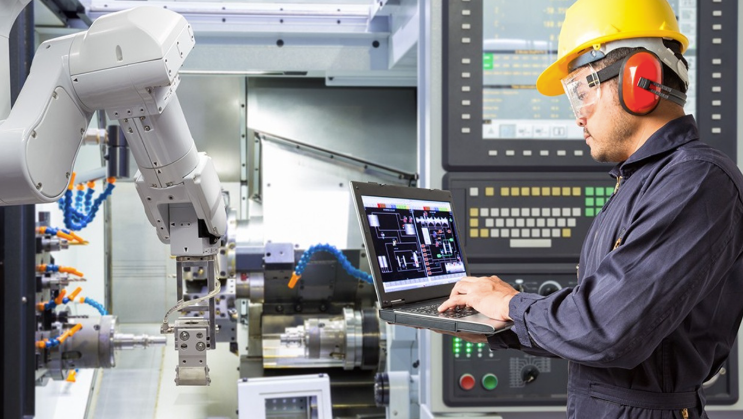
Numerous manufacturing sectors are poised to gain significant advantages from the implementation of 5G technology.
The transition to smart factories enables real-time data exchange, enhancing operational efficiency.
Additionally, 5G facilitates predictive maintenance by allowing machines to communicate their status instantaneously, reducing downtime and optimizing production processes.
This connectivity fosters a more agile and responsive manufacturing landscape, ultimately promoting greater freedom in operational capabilities.
Conclusion
In summary, the advent of 5G technology is set to revolutionize various industries, driving efficiency and innovation. For instance, consider a hypothetical scenario where a hospital employs 5G for remote surgeries, allowing specialists to operate on patients from miles away with real-time feedback and minimal latency. Such advancements not only enhance patient care but also highlight the transformative potential of 5G across healthcare, transportation, entertainment, and manufacturing, paving the way for a more connected and efficient future.


 By
By