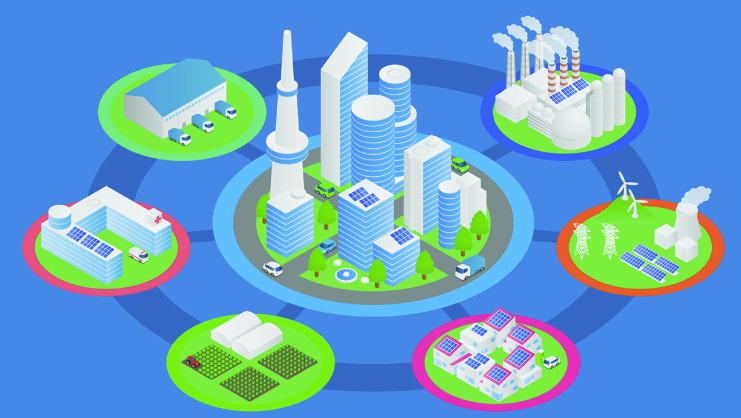

The integration of IoT applications in smart cities presents a transformative opportunity for urban environments. By utilizing real-time data analytics, traffic management becomes more efficient, while smart waste management systems optimize collection processes. Furthermore, connected devices enhance energy efficiency and bolster public safety. These innovations signal a shift toward more sustainable urban living. Yet, the implications of these technologies extend beyond mere convenience, raising questions about their long-term impact on city dynamics.
Enhancing Traffic Management With Iot
As urban populations continue to swell, cities face mounting pressure to optimize traffic flow and reduce congestion.
IoT technology, through real-time data analytics, enables the collection and analysis of traffic patterns, allowing for adaptive signal control and efficient route planning.
This dynamic approach not only enhances mobility but also empowers citizens by fostering a more organized and sustainable urban environment, promoting freedom of movement.
Smart Waste Management Solutions
The optimization of urban infrastructure extends beyond traffic management to include smart waste management solutions, addressing the challenges of increasing waste generation in densely populated areas.
Smart bin technology plays a crucial role in waste collection optimization, utilizing sensors to monitor waste levels and streamline collection routes.
This innovation enhances operational efficiency, reduces costs, and promotes sustainability, ultimately fostering a cleaner and more responsive urban environment.
Energy Efficiency Through Connected Devices
Connected devices play a pivotal role in enhancing energy efficiency within smart cities by continuously monitoring and analyzing energy consumption patterns.
Smart lighting systems, equipped with sensors, adjust brightness based on real-time needs, significantly reducing energy waste.
Additionally, the integration of renewable energy sources is optimized through these devices, promoting sustainable practices and empowering citizens to contribute to a greener urban environment while enjoying enhanced autonomy.
See also: Industries That Will Benefit From 5G
Improving Public Safety and Emergency Response
While urban environments face increasing challenges related to public safety and emergency response, the implementation of IoT technologies presents a transformative solution.
Smart sensors and real-time data analytics enhance crime prevention efforts, allowing for quicker identification of threats.
Additionally, IoT systems streamline disaster management, facilitating coordinated responses and resource allocation during emergencies, ultimately fostering safer and more resilient urban landscapes for all inhabitants.
Conclusion
In conclusion, the integration of IoT applications in smart cities serves as a catalyst for transformative urban solutions. By optimizing traffic flow, streamlining waste management, enhancing energy efficiency, and bolstering public safety, these technologies pave the way for a more sustainable and responsive urban landscape. As cities embrace these innovations, they are not just addressing current challenges but are also laying the groundwork for a brighter future, where the potential of urban living truly knows no bounds.


 By
By