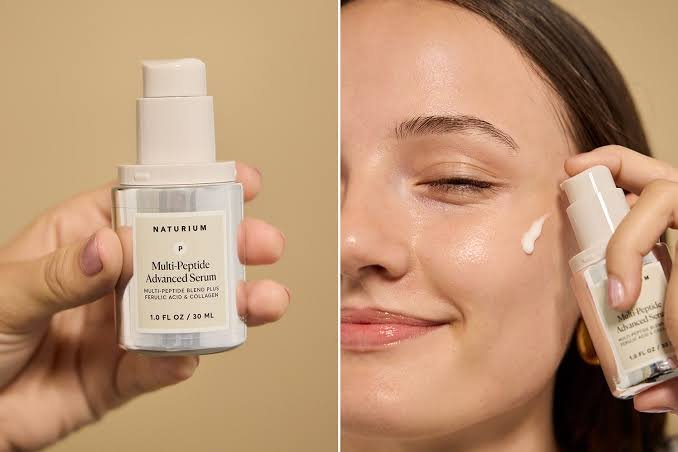

Facial serums are available in a wide range of formulations, making it easier to find products designed for different skincare needs. Some focus on hydration, while others are developed to support the appearance of brightness, smoothness or a more balanced complexion.
With so many choices, selecting a product can feel confusing. Understanding ingredients, skin type, product instructions and realistic expectations can make the process more straightforward.
Begin With a Clear Skincare Goal
Before purchasing a serum, identify the concern you want to address. Dryness, dullness, uneven-looking tone and sensitivity may call for different approaches.
It is helpful to focus on one or two priorities rather than trying to address everything with several products at once. This can make the routine easier to manage and reduce the risk of combining ingredients that may irritate the skin.
If a skin concern is persistent, painful or changing, professional advice from a dermatologist is more appropriate than relying only on cosmetic products.
Learn About Common Ingredients
Ingredient knowledge can help shoppers understand what a serum is designed to do.
- Hyaluronic acid: A humectant commonly used to support hydration.
- Vitamin C: An antioxidant used in products intended to improve the appearance of dullness and uneven tone.
- Niacinamide: An ingredient used in some formulas to support the skin barrier and improve the appearance of uneven tone.
- Peptides: Ingredients included in some skincare products for specific cosmetic purposes.
These ingredients have different properties, and their effects depend on formulation and use. A familiar ingredient name alone does not establish the quality or suitability of a product.
Consider Your Skin Type
People with dry skin may prefer formulas that combine hydrating ingredients with a comfortable texture. Those with oily or combination skin may find lightweight products easier to incorporate into their routine.
Sensitive skin requires particular care. Fragrance, preservatives and active ingredients can affect individuals differently. Check the ingredient list and consider patch testing according to the product’s directions.
Skin type can also change with weather, age and other factors. Review how your skin responds rather than relying permanently on one category.
Evaluate Product Quality and Transparency
When choosing a serum for face review the product information carefully. Look for a clear ingredient list, directions, storage advice and manufacturer details.
Packaging can influence product stability, especially when formulas contain ingredients that are sensitive to air or light. A well-designed container may help protect the formula during normal use.
Check the expiry date and any period-after-opening guidance. Avoid products with damaged packaging or unclear labelling.
Understand How to Use a Serum
The correct application method depends on the formulation. Many serums are used after cleansing and before moisturising, but some products have specific instructions.
Use the recommended amount and avoid applying products to irritated or broken skin unless a healthcare professional advises otherwise.
When introducing a new product, add one item at a time. This makes it easier to identify the source if irritation occurs.
Build a Routine Around Essential Steps
A practical skincare routine does not need many layers. A gentle cleanser, a suitable serum and a moisturiser can form a simple foundation. During the day, broad-spectrum sunscreen is an important protective step.
Additional products should have a clear purpose. If a routine becomes difficult to follow or causes irritation, simplifying it may be helpful.
Consistency is more useful than frequently changing products in response to trends. Give a product time according to its instructions, while remaining alert to signs of irritation.
Avoid Common Shopping Misunderstandings
A higher price does not automatically mean a serum is more suitable. Similarly, a long ingredient list is not necessarily better than a shorter one.
Be cautious of dramatic promises, guaranteed results or claims that a cosmetic product can treat every skin concern. Compare product information, understand the intended cosmetic purpose and keep expectations realistic.
Frequently Asked Questions
1. How do I know which serum is right for my skin?
Start by identifying your main skincare goal, then consider your skin type, ingredient preferences and sensitivities. Review the full formulation and product directions before choosing.
2. Can I use a facial serum with a moisturiser?
Many serums are designed to be used before moisturiser. Follow the product’s application instructions and choose a moisturiser that suits your skin.
3. Should I change my serum frequently?
Not necessarily. Frequent changes can make it difficult to understand how your skin responds. Use products according to their instructions and reassess if your needs or skin condition changes.
Conclusion
Choosing a facial serum becomes easier when the decision is based on clear skincare goals and ingredient understanding. Skin type, formulation, packaging and directions all matter. A thoughtful routine with a small number of suitable products can be more practical than constantly adding new treatments.


 By